To More Inquiry
Ngorongoro Conservation Area is a UNESCO World Heritage Site and one of Africa’s most extraordinary natural wonders, located in northern Tanzania. At its heart lies the Ngorongoro Crater, the world’s largest intact and inactive volcanic caldera, formed approximately two to three million years ago.
Spanning about 260 square kilometers and descending over 600 meters deep, the crater forms a natural enclosure that sustains an exceptional concentration of wildlife. This unique ecosystem offers one of the most remarkable safari experiences on the continent. Beyond its natural beauty, the area holds immense archaeological significance, particularly at the nearby Olduvai Gorge, often referred to as the “Cradle of Mankind.”
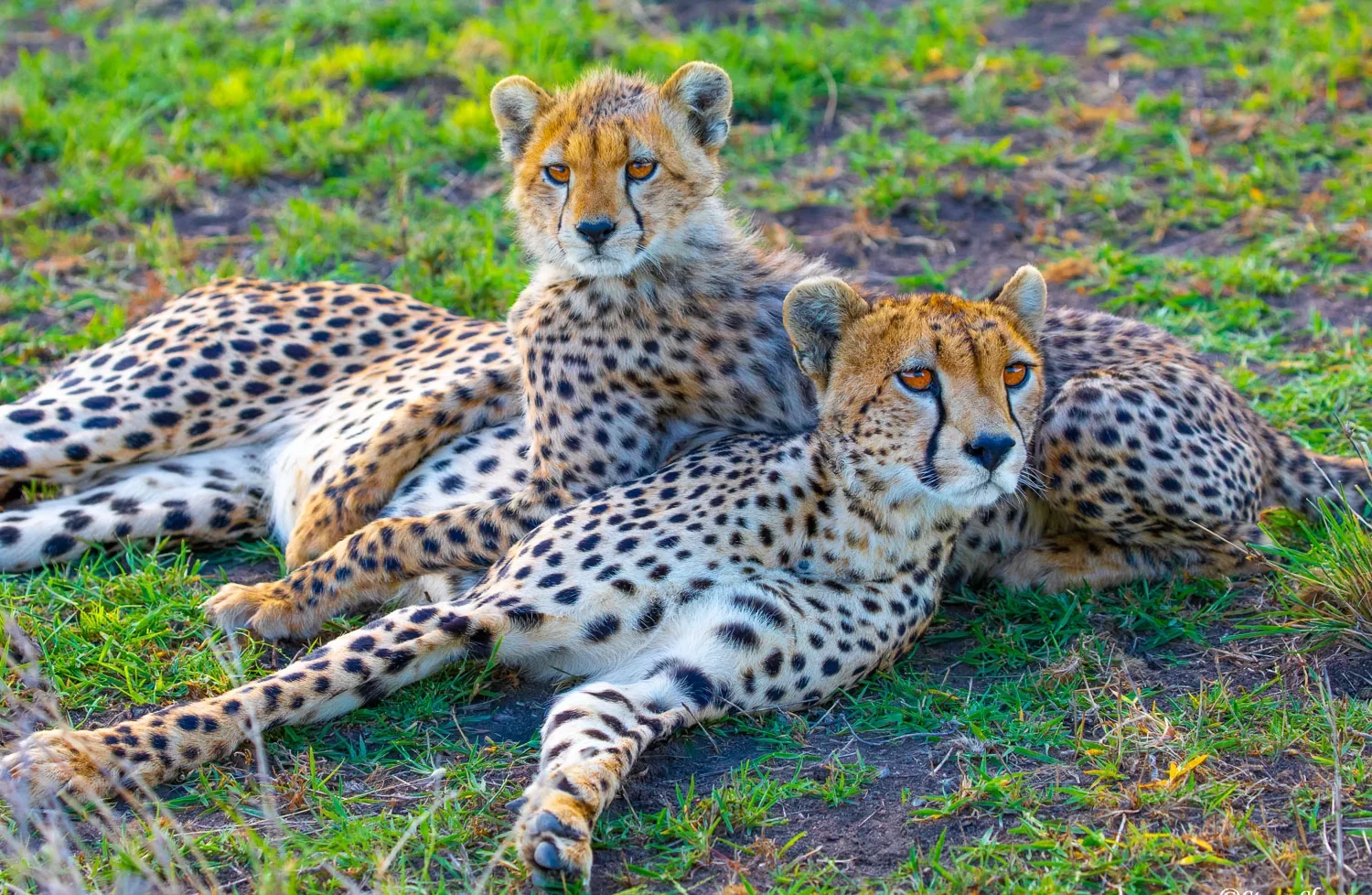
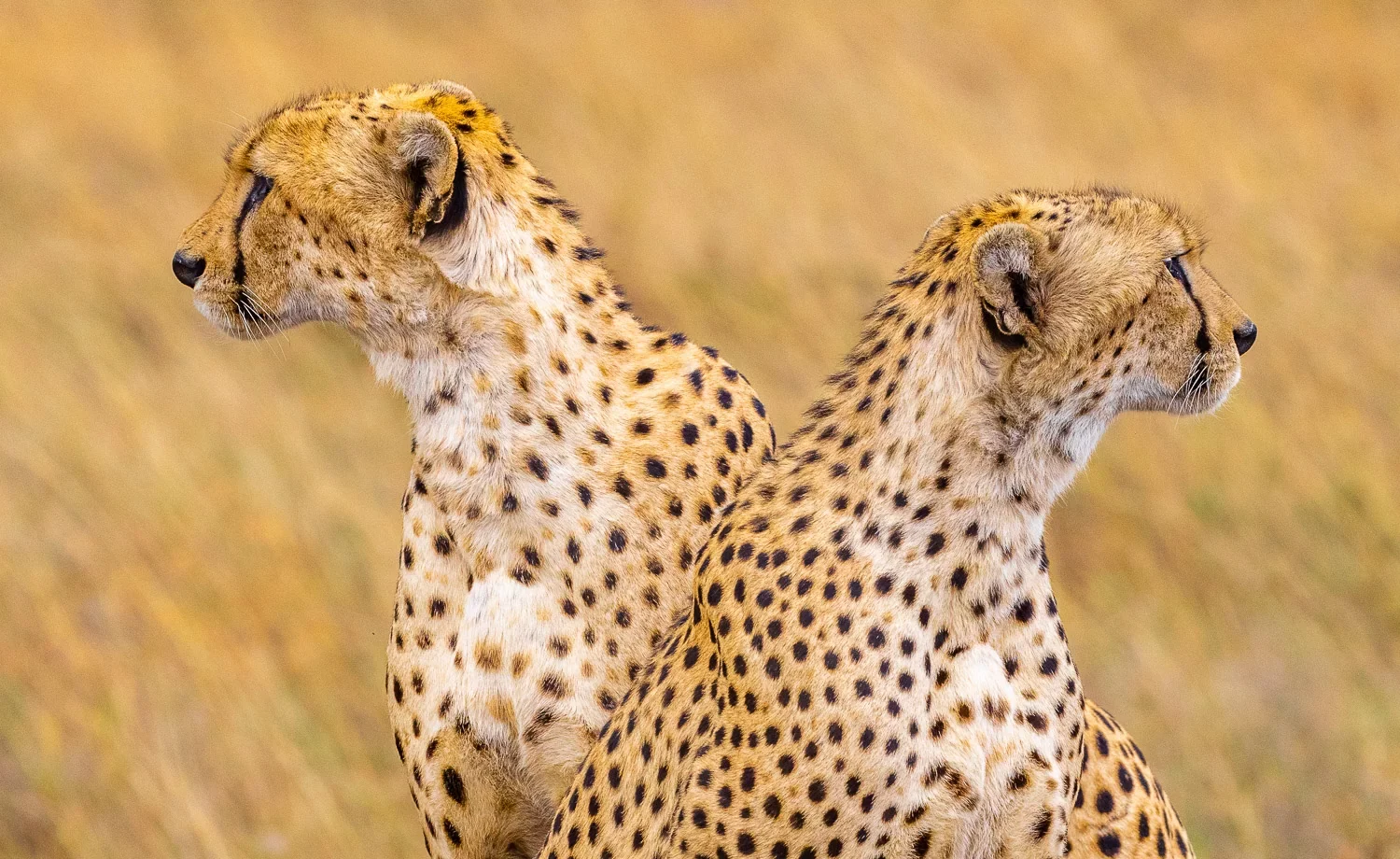
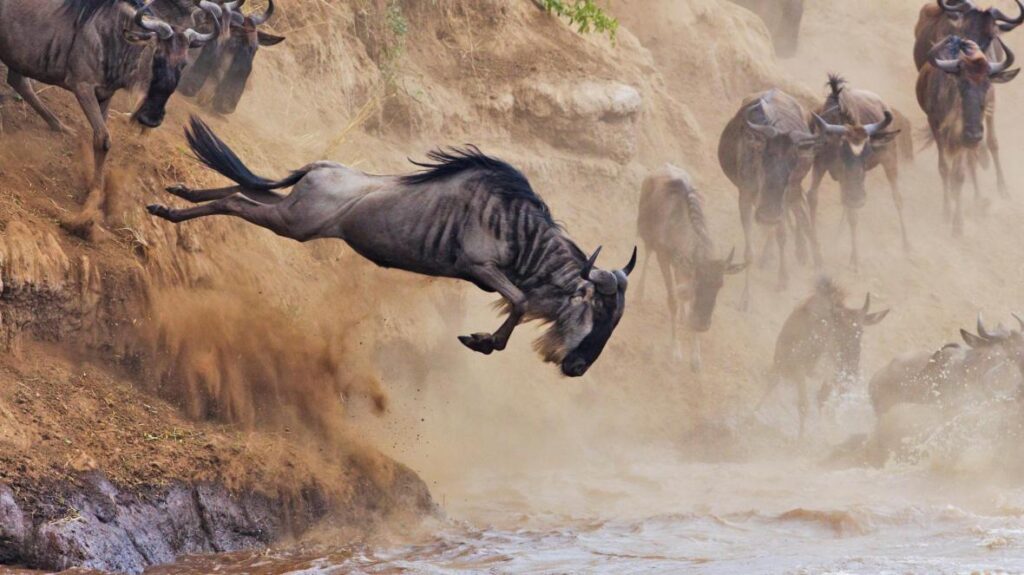
Rich Wildlife Diversity
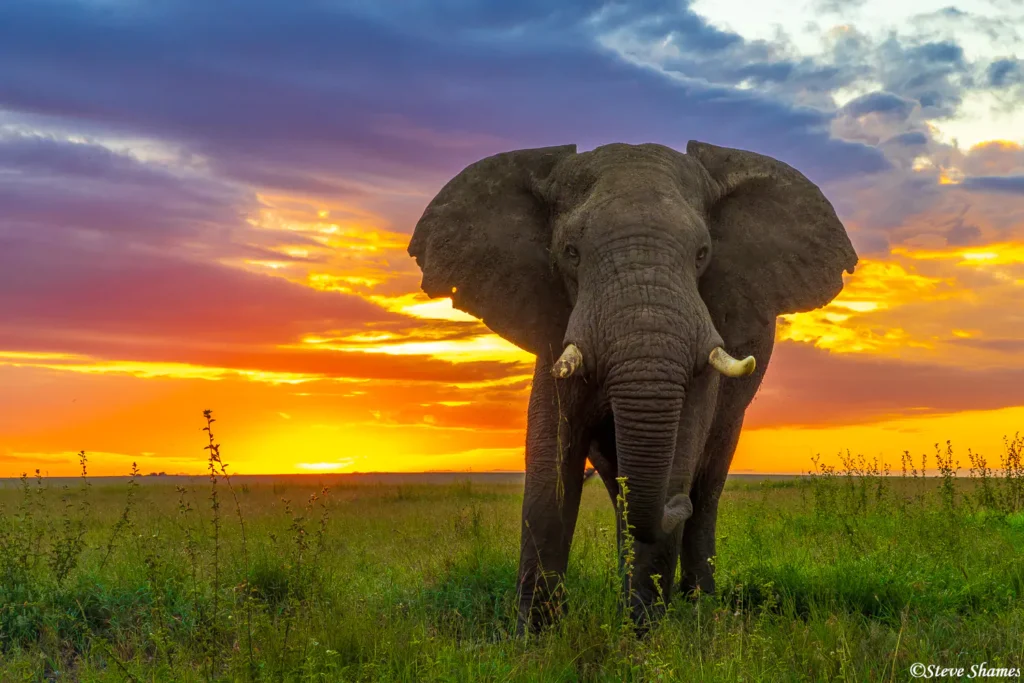
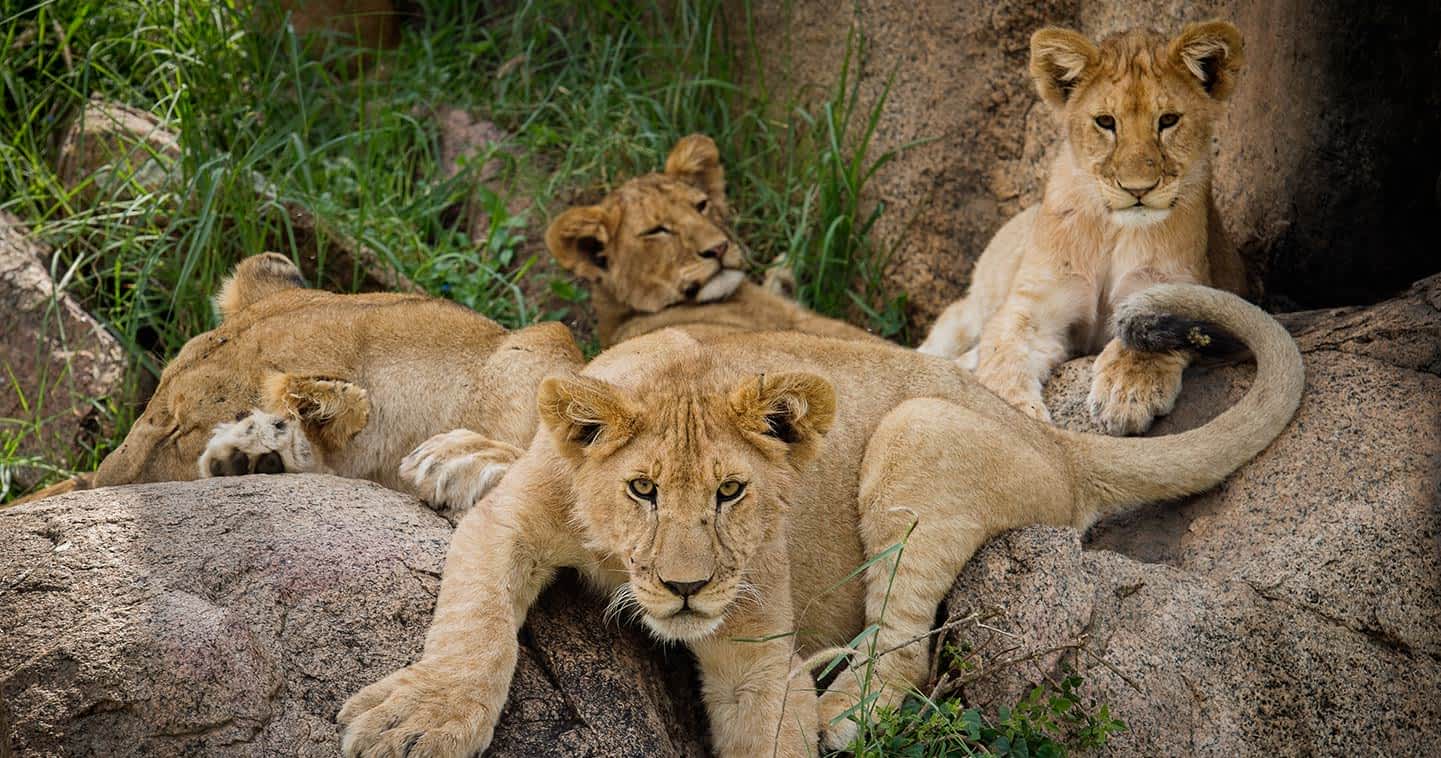
The crater is home to an impressive density of wildlife, including the iconic Big Five—lion, elephant, buffalo, leopard, and the rare black rhinoceros. Its enclosed landscape allows for outstanding game viewing throughout the year.
Breathtaking Scenery
From lush grasslands and acacia woodlands to shimmering soda lakes, the crater floor offers a stunning variety of landscapes. Panoramic views from the rim provide unforgettable vistas over this natural amphitheater.
Olduvai Gorge – Cradle of Human History
Explore one of the world’s most important paleoanthropological sites at Olduvai Gorge, where groundbreaking discoveries have revealed crucial insights into early human evolution.
Authentic Maasai Cultural Experience
Engage with the indigenous Maasai communities who have coexisted with wildlife for generations. Discover their traditions, lifestyle, and vibrant culture through guided cultural visits.

TAXES INCL/PERS
TAXES INCL/PERS